Source Gaming Smart Mobile Phone for Business, Camera, and Music
Find 22 gaming smart mobile phone options featuring Android 13, 5G signals, and Octa Core processors. Buyers can compare specifications like RAM, ROM, and camera pixels to select devices for business, gaming, and multimedia use.
Key considerations
Products List


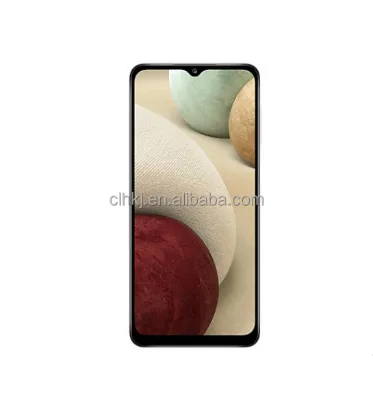
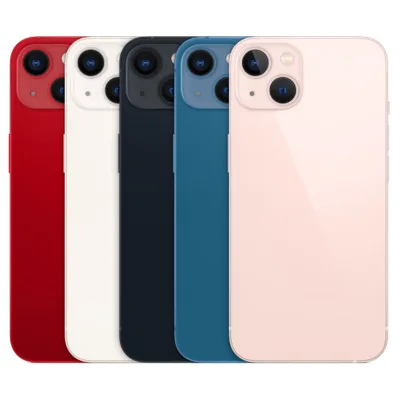
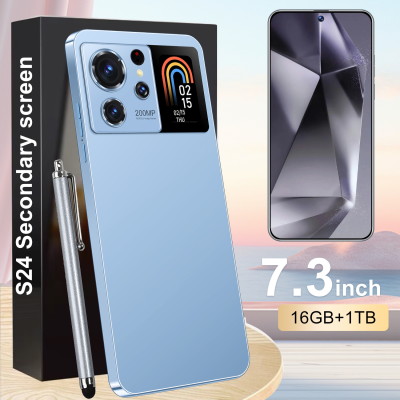
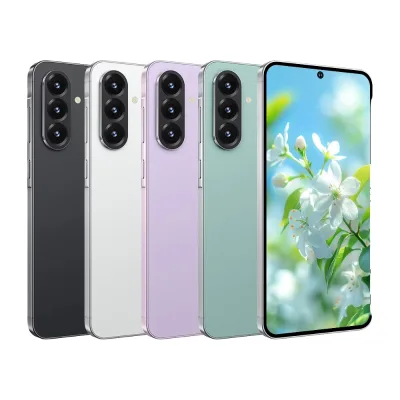
Comprehensive Sourcing Guide
Strategic Sourcing Guide for Gaming Smart Mobile Phones
Understanding the Technical Landscape of Gaming Devices
The procurement of gaming smart mobile phones requires a precise understanding of the hardware specifications that directly influence user experience and device longevity. Unlike general-purpose smartphones, gaming devices demand a specific convergence of processing power, thermal management, and display fidelity. Based on current market observations, the core processor architecture is a primary differentiator. Buyers should prioritize devices equipped with octa-core processors, specifically noting the prevalence of MediaTek (MTK) chipsets such as the 6835 and 6762 models in the current supply base. These chipsets are often paired with specific memory configurations that define the device's capability to handle high-load applications.
The memory architecture is equally critical. A standard configuration for high-performance gaming units in this segment includes 4GB of DDR4 RAM and 128GB of eMMC storage. However, variations exist, with some models offering 3GB of RAM and 32GB of storage, which may limit performance for modern, resource-intensive titles. Buyers must verify the specific RAM and ROM capacities for each unit, as the difference between 3GB and 4GB of RAM can significantly impact multitasking and frame rate stability. Furthermore, the storage expansion capability is a vital feature to evaluate. While some models support external storage expansion, others do not, which necessitates a careful review of the internal storage requirements relative to the intended software ecosystem.
Display technology is the final pillar of the technical specification. The screen material is predominantly IPS, ensuring wide viewing angles and color consistency. The resolution for these devices typically ranges from HD 720 x 1600 pixels, with some models boasting Main Screen Resolutions exceeding Full HD (FHD). The physical dimensions of the display are also a key consideration, with observed screen sizes ranging from approximately 6.5 inches to 6.75 inches. The bezel design, often described as having a narrow border of 2-3mm or 3-4mm, contributes to the immersive experience required for gaming. Additionally, the display color depth, ranging from 256 colors to 260k colors, affects the visual richness of game graphics.
Network Connectivity and Signal Standards
Connectivity is a non-negotiable aspect of sourcing gaming mobile phones, as online multiplayer functionality relies heavily on stable and fast network standards. The current market offers a mix of network capabilities, with devices supporting 4G and 5G signal standards. It is essential to distinguish between models that support 5G and those limited to 4G, as this distinction impacts the latency and bandwidth available for competitive gaming. Some units are explicitly rated for 3G, 4G, and GSM standards, providing a broader range of compatibility in regions where 5G infrastructure is still developing.
The data interface is another critical component for connectivity and peripheral attachment. Most modern gaming phones in this category utilize the Type-C interface, which facilitates faster data transfer rates and more durable charging connections compared to legacy micro-USB ports. This interface is also often used for connecting external gaming accessories, such as controllers or cooling fans. Buyers should verify that the specific models under consideration support the necessary network bands for their target markets, ensuring that the device will function seamlessly across different geographic regions.
SIM card configuration is another area requiring attention. The observed market includes devices with dual SIM card slots that support Dual Card Dual Standby (DCDS). This feature allows users to maintain two active lines simultaneously, which is beneficial for separating personal and gaming communication or utilizing different network providers for redundancy. However, the specific implementation of the SIM slot and its compatibility with various carrier frequencies must be confirmed for each model to avoid connectivity issues in specific regions.
Cost Drivers and Pricing Dynamics
The pricing of gaming smart mobile phones is influenced by a complex interplay of factors, including the processor brand, memory capacity, display quality, and network capabilities. The observed price range in the current market spans from approximately 29 USD to 1,237 USD, reflecting the vast diversity in product tiers. Entry-level models, often characterized by lower RAM (3GB) and storage (32GB) configurations, tend to cluster at the lower end of this spectrum. In contrast, devices with higher specifications, such as 4GB RAM, 128GB storage, and 5G support, command prices at the higher end of the range.
The Minimum Order Quantity (MOQ) is a significant cost driver for B2B buyers. The observed MOQ range varies widely, from as low as 1 unit to as high as 3,000 units. This variability allows buyers to tailor their procurement strategy based on their budget and inventory needs. Small-scale buyers can source single units for testing or demonstration purposes, while large-scale distributors may leverage bulk ordering to negotiate better unit economics. However, buyers must be aware that higher MOQs often correlate with lower per-unit costs, but they also increase the financial risk associated with inventory holding.
Other cost factors include the packaging and branding requirements. Some models come in gift boxes combined with carton boxes, which can add to the overall cost but enhance the product's retail appeal. Customization options are available for many models, allowing buyers to tailor the device to their specific brand requirements. This customization, while adding value, may also introduce additional costs and lead times that must be factored into the total cost of ownership.
Typical Applications and Use Cases
Gaming smart mobile phones are designed for a variety of applications that extend beyond simple entertainment. The primary use case is obviously mobile gaming, where the device's high-performance processor, ample memory, and high-refresh-rate displays provide a smooth and immersive experience. The octa-core processors and dedicated graphics capabilities ensure that graphically demanding games run without lag or stuttering.
Beyond gaming, these devices are increasingly used for content creation and consumption. The high-resolution displays and advanced camera systems, often featuring rear cameras with pixel counts exceeding 13MP and front cameras with over 5MP, make these phones suitable for streaming, video editing, and social media content creation. The large battery capacity, typically around 5,000 mAh, supports extended usage periods, which is crucial for gamers and content creators who may be away from charging sources for long durations.
In the business sector, gaming phones are sometimes utilized for mobile offices and remote work. The dual SIM capability and robust network connectivity allow professionals to manage multiple communication channels efficiently. The large screen real estate and high-resolution displays facilitate document viewing and video conferencing. Additionally, the durability and performance of these devices make them suitable for field operations where reliable communication and data processing are essential.
Supplier Evaluation and Quality Assurance
Evaluating suppliers for gaming smart mobile phones requires a rigorous approach to ensure product quality and reliability. Buyers should prioritize suppliers who can provide detailed technical specifications and evidence of compliance with relevant standards. The origin of the products is a key factor, with China being a primary manufacturing hub for these devices. Buyers should verify the production location and ensure that the supplier has a robust quality control system in place.
Quality assurance should focus on the consistency of the hardware components. Buyers must verify that the processors, memory modules, and displays match the advertised specifications. For instance, confirming that the RAM is indeed DDR4 and the storage is eMMC as specified is crucial. Additionally, the battery capacity and charging capabilities should be tested to ensure they meet the stated 5,000 mAh rating.
Compliance with industry standards is another critical aspect of supplier evaluation. While specific certification details may vary, buyers should ensure that the devices meet the necessary safety and electromagnetic compatibility standards for their target markets. The network standards, such as 4G and 5G, must be verified to ensure compatibility with local carrier networks. Suppliers should also provide clear information on the operating system, which is predominantly Android 13.0 in the current market, to ensure software compatibility and security updates.
Long-Term Procurement Considerations
Long-term procurement of gaming smart mobile phones involves strategic planning to mitigate risks and ensure sustained value. One of the primary considerations is the availability of software updates and support. Buyers should inquire about the supplier's commitment to providing security patches and operating system updates for the devices. The longevity of the device is also influenced by the quality of the battery and the durability of the screen, which should be assessed through sample testing.
Inventory management is another critical factor. Given the wide range of MOQs, buyers must balance the need for sufficient stock with the risk of obsolescence. The rapid evolution of mobile technology means that devices can become outdated quickly. Therefore, buyers should consider a phased procurement strategy that allows for flexibility in ordering quantities based on market demand.
Finally, the total cost of ownership should be evaluated beyond the initial purchase price. This includes costs related to shipping, customs duties, and potential returns or repairs. Suppliers who offer comprehensive after-sales support and warranty services can significantly reduce the long-term risks associated with procurement. By carefully evaluating these factors, buyers can build a sustainable and profitable supply chain for gaming smart mobile phones.
Comparative Analysis of Key Specifications
To facilitate informed decision-making, the following table compares the key specifications of representative models found in the current market. This comparison highlights the variations in processor, memory, display, and network capabilities that buyers should consider.
| Feature | Model A (VK-6504) | Model B (VK-6501A) | Model C (VK-Y6706) |
|---|---|---|---|
| Processor | Mtk 6835 (Octa Core) | Mtk 6762 (Octa Core) | Unisoc |
| RAM | 4GB DDR4 | 3GB | 4GB |
| ROM | 128GB | 32GB | 128GB |
| Screen Size | 6.754" | 6.517" | Not Specified |
| Resolution | HD 720 x 1600 | HD 720 x 1600 | Not Specified |
| Network | 3G, 4G, 5G | 4G | Not Specified |
| Battery | 5,000 mAh | Not Specified | Not Specified |
| Storage Exp. | Supported | Not Supported | Not Specified |
| SIM | 2 SIM (Dual Standby) | Dual Card Dual Standby | Not Specified |
| OS | Android 13.0 | Android | Not Specified |
This table illustrates the diversity in specifications available to buyers. Model A offers a robust configuration with 5G support and storage expansion, making it suitable for high-end gaming. Model B, while having a smaller screen and less RAM, may be more cost-effective for budget-conscious buyers. Model C, with its Unisoc chipset and 128GB storage, presents a middle-ground option. Buyers should select the model that best aligns with their specific performance requirements and budget constraints.
Final Recommendations for Procurement Strategy
In conclusion, sourcing gaming smart mobile phones requires a meticulous approach that balances technical specifications, cost considerations, and supplier reliability. Buyers should prioritize devices with octa-core processors, adequate RAM and storage, and high-quality IPS displays. Network connectivity, particularly 5G support, is essential for modern gaming applications. The wide range of prices and MOQs offers flexibility, but buyers must carefully evaluate the total cost of ownership and long-term support. By adhering to these guidelines and conducting thorough due diligence, buyers can successfully navigate the complex landscape of gaming mobile phone procurement and secure high-quality products for their markets.
FAQs
What processor brands are available for gaming smart mobile phones?
Available processors include Mtk 6835 and Mtk 6762 octa-core chips, along with Unisoc options. These units typically pair with 3GB to 4GB of RAM and 32GB to 128GB of storage capacity.
Which network standards do these devices support?
Devices support 3G, 4G, and 5G network standards with GSM compatibility. Some models feature dual SIM slots with dual standby functionality for flexible connectivity options.
How much battery capacity do these gaming phones have?
Most units feature a 5,000 mAh battery capacity to support extended usage. This large capacity ensures the device can handle high-load gaming sessions without frequent recharging.
Can buyers customize the packaging for these mobile phones?
Customization is available for many models, including specific packaging requirements. Products often come in gift boxes combined with carton boxes for retail presentation.
What is the typical price range for these devices?
The observed price range spans from 29 USD to 1,237 USD depending on specifications. Entry-level models with lower RAM cluster at the lower end while premium units cost more.
Which memory configurations are standard for these phones?
Standard configurations include 3GB or 4GB of RAM paired with 32GB or 128GB ROM. Some models support storage expansion while others do not, requiring careful selection based on needs.
What screen sizes and resolutions are offered?
Screen sizes range from 6.517 inches to 6.754 inches with HD 720 x 1600 resolution. Some models feature narrow borders of 2-3mm or 3-4mm for an immersive display experience.